A fitness coach in Pune ran her first referral campaign in February. She had 14,000 followers, no ad budget, and a 21-day workout guide she'd been selling for ₹499. She set it up so that anyone who commented a keyword on her Reel would get the guide for free — and if they referred three friends who also commented, they'd unlock her premium programme at no cost.
In nine days she added 2,300 followers. Eighty-one people unlocked the premium programme through referrals. Her Reel reached 190,000 accounts, most of them non-followers.
She spent zero rupees on advertising.
The mechanism behind that result is not complicated. It's referral marketing, one of the oldest growth strategies in business, applied to Instagram's comment-to-DM infrastructure. This post breaks down why it works, what the numbers actually look like, and how to run it.
Why Referral Beats Paid for Creators
The headline statistic is hard to ignore: referred leads convert 3–5x higher than leads from paid traffic. That figure comes from multiple independent studies (Demand Sage, Nielsen, ReferralCandy) and holds across industries from SaaS to e-commerce to creator products.
The reason isn't mysterious. When someone discovers your content because a friend told them about it, they arrive with a pre-existing endorsement. The trust that normally takes weeks of consistent posting to build is front-loaded by the person who sent them.
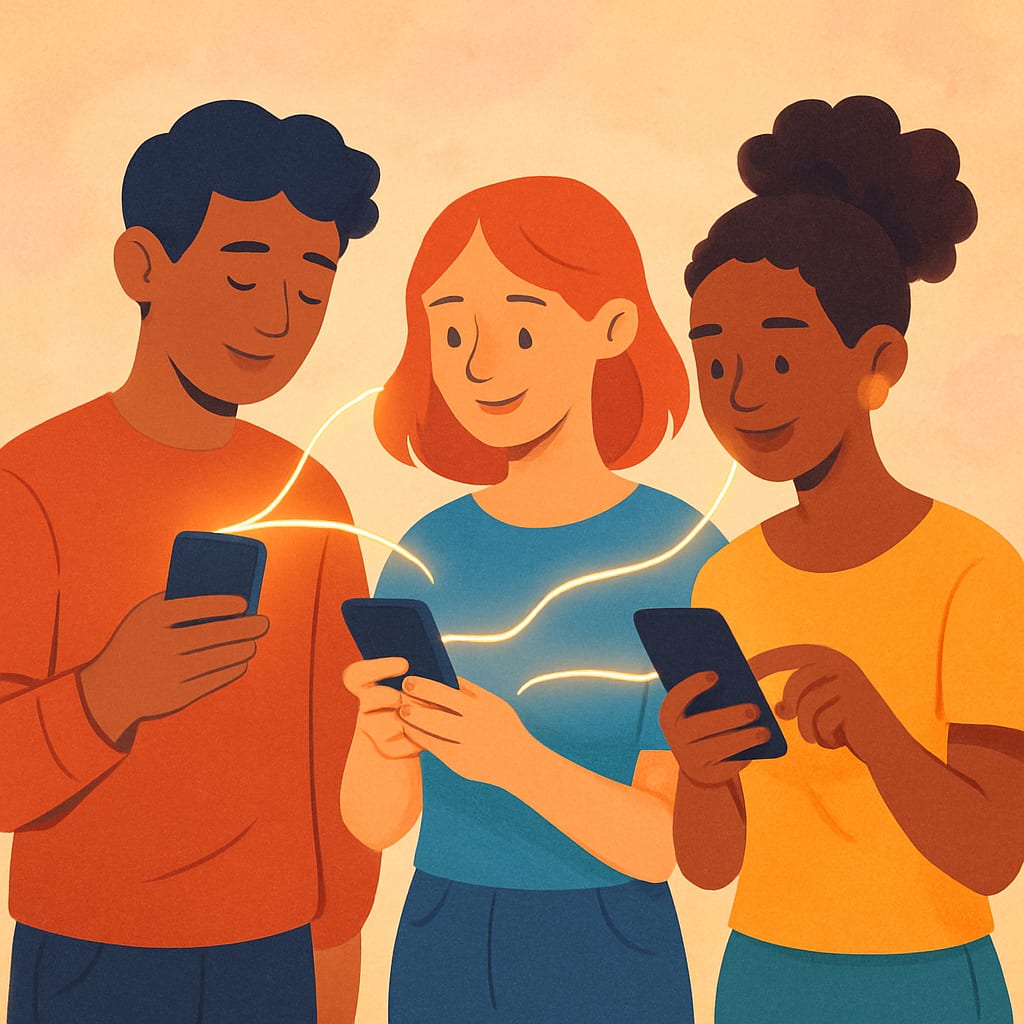
The data on trust is striking on its own:
- 92% of consumers trust recommendations from people they know over any form of advertising (Nielsen Global Trust Report)
- Word-of-mouth influences 20–50% of all purchase decisions, accounting for an estimated $6 trillion in annual consumer spending (McKinsey)
- Referred customers have a 16% higher lifetime value than non-referred customers (Wharton School of Business)
- Referred customers are 4x more likely to refer others — meaning the loop compounds (ReferralCandy)
That last point matters most for Instagram specifically. A single well-structured referral campaign doesn't just bring in new followers. It brings in followers who are predisposed to refer more followers, because they arrived through a referral themselves.
How Referral Mechanics Work on Instagram
Traditional referral programs live on websites — a landing page, a unique link, a form. Instagram's comment-to-DM infrastructure makes something more fluid possible.
Here's the mechanics:
- A creator posts a Reel with a keyword CTA: "Comment GUIDE and I'll DM you my free training"
- Someone comments — the DM automation fires instantly with the reward and their unique referral link
- The referral link goes to a landing page where friends can enter their username and join the campaign
- When those friends comment the same keyword, the original commenter gets credit — automatically
- At a set referral threshold (typically 3–5), a bonus reward unlocks automatically via DM
No manual tracking. No spreadsheets. No "DM me your code" friction.
The comment is the entry point. The DM is the delivery. The referral link is the amplification loop. The same structure powers a viral giveaway built on referral links, where the bonus reward is what keeps people sharing.
"I've tried regular giveaways three times. They spike for two days and then die. The referral version kept growing for two weeks because every new person had a reason to share it." — Instagram fitness creator, 28K followers
The Numbers: Referral vs Paid vs Organic
This is where most creators are surprised. Referral marketing consistently outperforms both paid advertising and organic-only growth across the metrics that actually matter — not just follower count, but conversion rate and cost.
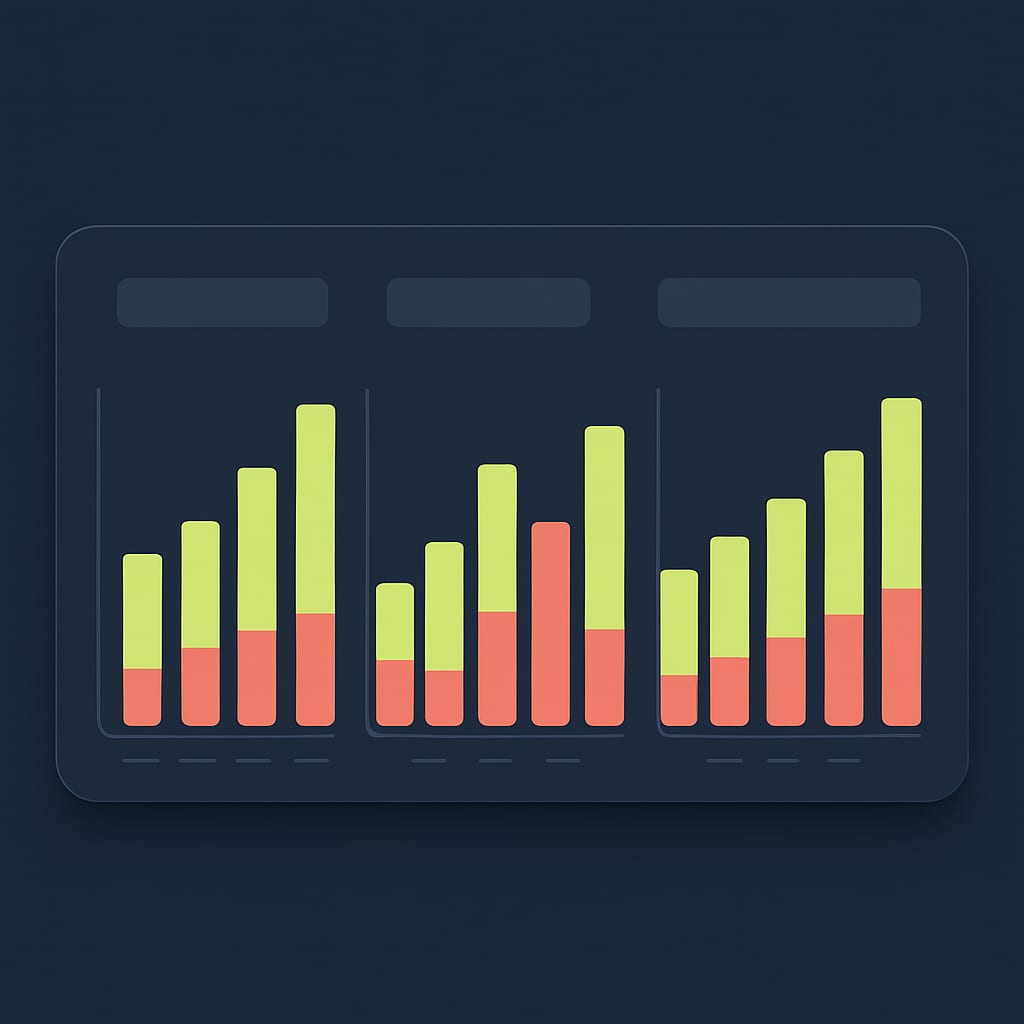
| Metric | Referral Marketing | Paid Ads (Meta) | Organic Only |
|---|---|---|---|
| Conversion rate (follower → buyer) | 3–5x higher than paid | 1–2% of ad clicks | 0.5–1.5% of profile visitors |
| Cost per new follower | Near zero (reward cost only) | ₹15–₹80 per follower (India) | Zero cash, high time cost |
| Trust level on arrival | High (endorsed by friend) | Low (seen as ad) | Medium (algorithm discovery) |
| Follower retention (90-day) | ~65–70% | ~30–40% | ~50–60% |
| Compounding effect | Yes — referred users refer more | No — stops when budget stops | Slow — algorithm dependent |
| Algorithm signal | Strong (DM shares, saves) | Neutral | Variable |
The retention gap is underappreciated. Followers acquired through referrals stay because they arrived with context — they know what you do, they've already been told why it's worth following. Followers acquired through ads often followed because the targeting was precise but the relationship is shallow.
What Conversion Rates Actually Look Like
Benchmarks from referral platform data (ReferralCandy, 2025–2026):
- Median referral program conversion rate: 3–5% (the percentage of referred visitors who complete the desired action)
- Top-quartile programs (beauty, apparel, creator economy): 8.5%
- Comment-to-DM conversion: 20–30% of people who comment go on to click and use the reward (vs. 1–2% for link-in-bio)
- DM open rate: 88–90% for automated DMs triggered by comments (vs. 26–40% for email)
Put those together: if your Reel reaches 10,000 accounts and 1% comment, that's 100 DMs. At a 20% click-through rate, 20 people get the reward and receive their referral link. If each of those refers 2 people on average, that's 40 more entries. At median referral conversion, 1–2 of those turn into buyers.
The multiplier on reach is what makes this powerful. You're not just reaching the person who saw the Reel — you're reaching their network, with their implicit endorsement attached.
The Threshold Question: How Many Referrals to Require
The most common question creators have is how to set the referral threshold — the number of verified referrals that unlock the bonus.
The answer depends on what you're optimising for.
Low threshold (2–3 referrals):
- More participants actually reach the bonus
- Broader sharing across a larger group
- Works well for digital products with low marginal cost (guides, templates, access links)
High threshold (5+ referrals):
- Fewer people qualify, but those who do are highly motivated promoters
- Each qualifying participant drives significant volume
- Works well for high-value bonuses where you need to justify the reward cost
For most creators running a first campaign: start at 3. It's achievable enough that people try, but enough effort that the reward feels earned. You can observe completion rates in real time and adjust for the next campaign.
How to Set Up an Instagram Referral Program
An Instagram referral program is different from a standard giveaway. A giveaway picks one winner. A referral program lets every participant become a distributor — they share your content with friends, friends enter, and original participants earn a bonus. The loop compounds with each cycle.
Here is what the setup looks like in practice.
Step 1: Choose your entry action. The most effective entry point is a keyword comment on a Reel. You post, viewers comment a word, automation sends a DM. This works because comments are public — each one is a visible endorsement that drives more comments from viewers who see it.
Step 2: Define two reward tiers. Everyone who completes the entry action gets a free reward (a guide, a template, a discount code, a product sample). Participants who reach the referral threshold — typically three to five verified referrals — unlock a bonus reward of higher value. The gap between the two rewards is what motivates sharing.
Step 3: Issue unique referral links via DM. When the automation sends the first reward, it also sends a unique referral link. This is the tracking mechanism: when a referred friend clicks the link and enters, the original participant gets credit automatically.
Step 4: Automate the bonus unlock. When a participant's referral count hits the threshold, the automation sends the bonus reward without you doing anything. This is what makes the program run at scale. Without it, you are manually tracking hundreds of referrals in a spreadsheet — which breaks above 50 participants.
Step 5: Pick a campaign window. Ten to fourteen days works well for most first campaigns. Short enough to create urgency, long enough for referral chains to form. A follow-up Reel with updated results midway through ("Day 5 — 800 entries so far, here's what people are saying") restarts the algorithm signal and pushes the campaign to a second wave of non-followers.
The logistics are where most creator referral programs fail. Doing this manually is sustainable up to about 30 to 50 participants. Once your Reel reaches a larger audience, the tracking and delivery volume exceeds what any spreadsheet can handle without errors. Automation is not a nice-to-have — it is what makes an Instagram referral program actually work at the scale worth running one at.
What a Referral-Ready Campaign Looks Like
Running this on Instagram requires three components working together:
1. A keyword that triggers the flow. A single memorable word that people comment to enter. Keep it relevant to the content ("GUIDE", "TEMPLATE", "FREE") rather than generic ("YES", "IN"), and pair it with keyword CTA copy that converts so the comment rate stays high.
2. A reward worth sharing for. The free reward that everyone gets, plus a bonus reward that unlocks at the referral threshold. The free reward needs to be good enough that people mention it to friends. The bonus should be clearly valuable — not a discount, but access or something tangible.
3. Automated DM delivery and referral tracking. This is where the manual version breaks down. Doing this by hand, tracking who referred whom, sending individual DMs, verifying referrals, is unsustainable past the first 50 participants. Automation is not optional at any real scale, and it is worth understanding how DM automation tools are priced before a successful campaign turns into a surprise bill.
"The first time I tried this I was manually DMing everyone and trying to track referrals in a Notes app. I gave up after day two. The second time I had it automated and it ran itself for two weeks." — Creator, skincare niche, 52K followers
UnlockDM handles the full referral loop automatically — keyword triggers, DM delivery, unique referral links, verified referral tracking, and bonus reward unlock — so the campaign runs without manual work once it's set up.