You can have the best lead magnet, the fastest DM automation, and a Reel that hits 100,000 views. If your keyword call-to-action copy is weak, almost none of it matters. The CTA is the single sentence that decides whether someone stops scrolling and types a word in your comments, or keeps moving. Most creators treat it as an afterthought. The ones who get consistent DM leads treat it as the most important line they write.
Why the Keyword CTA Matters More Than Your Bio Link
The link in bio workflow asks viewers to leave the post, open your profile, find the link, and click it. That is three or more steps, and most people drop off before step two. Comment-to-DM automation inverts that friction entirely. A viewer types one word, gets a private message within seconds, and never leaves Instagram.
The numbers back this up. Optimised comment keyword flows report open rates between 82% and 90%, compared to email open rates that typically sit around 20% to 25% (Inro.social, 2026). The DM arrives at the exact moment the viewer is engaged with your content, inside a channel they already use for personal conversations. That timing is why keyword CTAs outperform bio links so consistently.
Meanwhile, Instagram engagement is shifting toward higher-effort interactions. Likes on standard posts dropped 48% year over year, but comments rose 7% and shares rose 11% (Metricool, 2026). The platform is rewarding content that starts conversations, not content that collects passive hearts. A well-written keyword CTA is how you tap into that shift directly.

The Anatomy of a High-Converting Keyword CTA
Every effective keyword CTA has three parts: the trigger instruction, the keyword itself, and the promised value. Remove any one of them and conversion drops.
The trigger instruction tells people what to do. "Comment [KEYWORD] below and I'll DM you [THE THING]." That is the base formula. Keep it under 15 words. Longer CTAs get read less often, especially when they appear at the end of a Reel or the bottom of a caption where attention is already fading.
The keyword should be short, specific, and impossible to confuse with casual conversation. GUIDE, TEMPLATE, LIST, PRICE, and CODE work because they signal intent. YES, ME, and INTERESTED fail because people type them constantly without meaning to opt in. One creator running a fitness program switched from "Comment YES" to "Comment PLAN" and saw comment quality improve immediately, because only people who actually wanted the plan typed it.
The promised value must match what you deliver in the DM. If you say "I'll DM you the full checklist" and the DM contains a generic link to your homepage, trust breaks on the first message. Specificity in the CTA sets the expectation. Specificity in the DM confirms it, which is why the lead magnet you deliver has to match the keyword promise exactly.
"Posts where the creator replies to comments see 21% more engagement than posts where they don't." — Buffer, cited in Linqia, 2026
Caption CTA Formats That Work Across Content Types
Different post formats need slightly different CTA framing. A Reel CTA should be spoken aloud in the last five seconds and repeated in the caption. Viewers who watch without sound still see the written version. Viewers who listen get the verbal reinforcement. Both together increase comment rates noticeably.
For carousel posts, put the CTA on the final slide and repeat it in the caption. The last slide is where completion-focused viewers land, and they are your warmest audience. A carousel teaching a three-step process might end with: "Want the full template? Comment TEMPLATE and I'll send it to your DMs."
For Stories, use a poll or question sticker first to warm up engagement, then follow with a keyword CTA in the next Story frame. Story viewers who interact with a sticker are already in an action mindset. The keyword CTA on the next frame converts that momentum into a DM trigger.
| Content Type | Best CTA Placement | Recommended Keyword Style | Typical Comment Rate |
|---|---|---|---|
| Reels | Spoken + caption | Single action word (GUIDE, LINK) | 2–5% of views |
| Carousels | Final slide + caption | Offer-specific (TEMPLATE, CHECKLIST) | 3–7% of reach |
| Stories | After engagement sticker | Short and direct (FREE, CODE) | 5–12% of viewers |
| Static posts | First line of caption | Benefit-led (PRICE, LIST, INFO) | 1–3% of reach |
Words That Convert vs. Words That Confuse
Not all keywords perform equally. After running hundreds of comment-to-DM campaigns, automation platforms consistently report that short, action-oriented words outperform vague or emotional ones.
GUIDE, LINK, TEMPLATE, CHECKLIST, and LIST signal that something concrete is coming. They set a clear expectation and attract people who want that specific thing. PRICE, CODE, and DEAL work well for commerce CTAs because they signal a transaction the viewer is already considering.
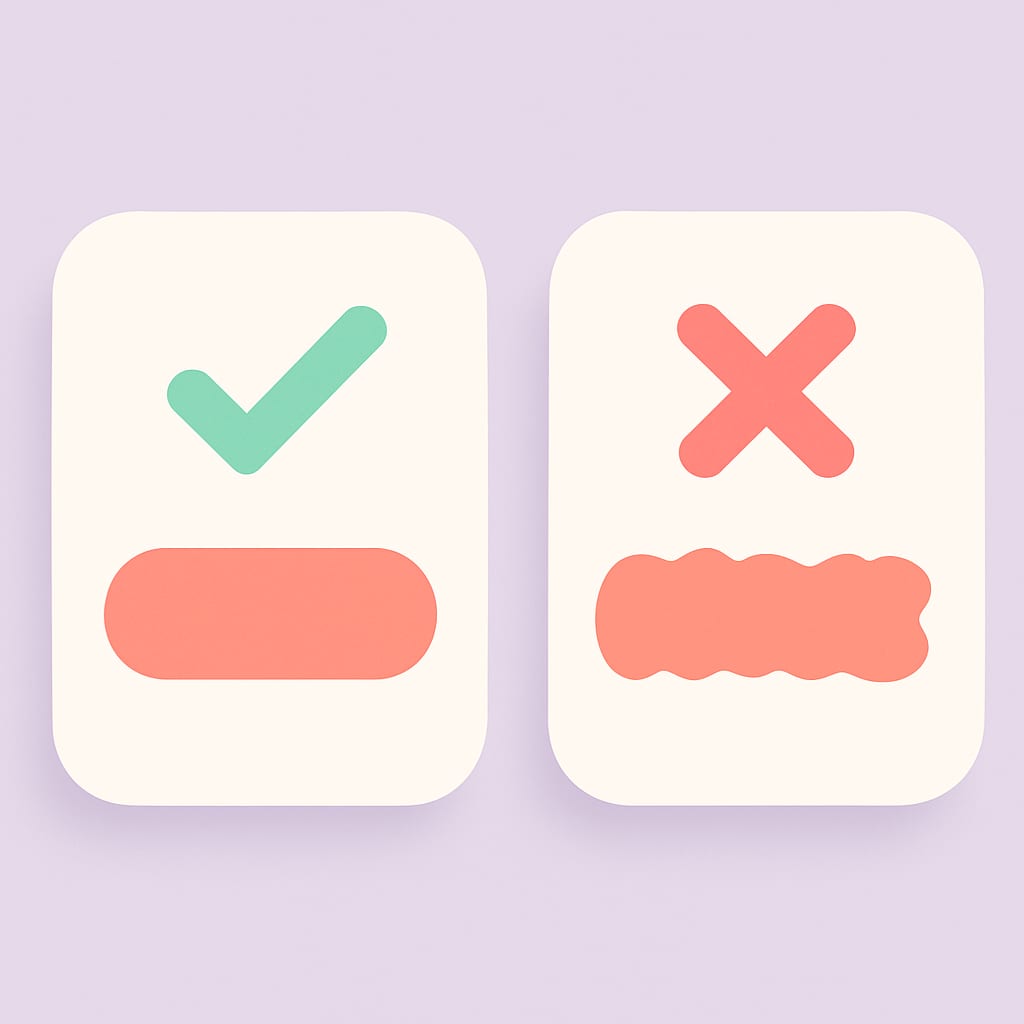
Avoid YES, ME, INTERESTED, and SEND because they appear in unrelated comments constantly. An automation tool cannot distinguish "YES I agree with this take" from "YES I want your free guide." Every misfire wastes a DM send and pollutes your lead list with people who never opted in.
Also avoid keywords that are too long or require exact spelling. MULTISTEPGUIDE will get mistyped. GUIDE will not. If your audience includes non-native English speakers, stick to universal single words rather than phrases.
Writing the First DM to Match Your CTA Promise
The CTA creates an expectation. The first DM either confirms it or breaks it. This is where most creators lose the conversion they just earned.
A strong opening DM does three things in under 50 words: greets the person by context (not by name, unless your tool supports it), delivers the promised resource immediately, and opens a door for a reply. Example: "Here's the checklist you asked for: [link]. If anything is unclear after you go through it, reply here and I'll help."
Do not use the first DM to pitch your paid offer. Do not ask them to follow you before delivering the resource, unless a follow gate is a deliberate part of your campaign strategy. The fastest way to kill reply rates is to add friction between the comment and the value.
Healthy comment keyword flows deliver 40% to 70% link click rates from DM recipients (Inro.social, 2026). If yours is below 30%, the problem is almost always the DM copy, not the CTA. Test a shorter opening message before you change the keyword or the content itself, and use the DM funnel metrics worth tracking to confirm which stage is actually leaking.
Testing and Iterating Your CTA Copy
Treat your keyword CTA like a headline: test it, measure it, and replace it when performance drops. Run the same Reel or post format with two different keywords across two weeks and compare comment volume and DM open rates. Even a single word change can shift results by 20% or more.
Track which posts drive the most keyword comments, not just which posts get the most views. A Reel with 10,000 views and 400 keyword comments is more valuable than one with 50,000 views and 50 comments. Post-level attribution is one of the main advantages of keyword automation over bio links, so use it.
When a CTA stops performing, the cause is usually one of three things: the promised value no longer matches what your audience wants, the keyword has been overused across too many posts, or a competitor in your niche started using the same word. Refresh the offer, pick a new keyword, or reframe the value proposition. Small copy changes often fix what looks like an audience problem.

Common CTA Mistakes That Kill Conversion
Burying the CTA is the most frequent error. Creators write 200 words of context and tuck "comment GUIDE for the template" at the very bottom where nobody reads. Put the CTA early in the caption for static posts, and make it the final spoken line for Reels. If someone has to hunt for the instruction, they will not bother.
Promising something you cannot deliver instantly is the second mistake. "Comment CALL and I'll personally review your profile" does not scale and breaks the automation promise. Only use keywords for things your automation can deliver in seconds: links, PDFs, discount codes, templates, and pre-written guides.
The third mistake is using the same keyword across every post. When your audience sees GUIDE on five consecutive Reels, they stop paying attention. Rotate keywords to match each specific offer: TEMPLATE for one post, CHECKLIST for another, CODE for a sale. Specificity keeps the CTA feeling fresh and relevant.
Your CTA Is the Conversion Layer
Views and reach get attention. Keyword CTA copy converts that attention into action. The formula is simple: tell people exactly what to type, give them a specific reason to type it, and deliver exactly what you promised in the DM that follows. Everything else in your Instagram strategy builds on that foundation.
The creators who treat CTA copy as carefully as they treat their hooks and thumbnails are the ones building DM lists that compound over time. One good keyword on one good post can generate hundreds of warm conversations from a single piece of content.
If you want to set up keyword comment-to-DM automation with copy that converts from day one, UnlockDM lets creators launch a campaign in minutes without a complex flow builder.