If you run Instagram campaigns, you have probably seen the posts. A creator wires up a DM automation tool, a Reel takes off, and a day later their account is action-blocked, shadowbanned, or in some cases fully disabled. The fear is real, and in 2026 it is more common than it used to be.
Here is the honest version of what is happening, what actually triggers it, and how to run comment-to-DM campaigns without putting your account at risk.
The 2026 ban wave is real, and it is hitting compliant accounts too
For years the rule of thumb was simple. Use a tool built on Meta's official API and you are safe. Use a sketchy browser bot and you get banned. That is still mostly true, but 2026 added a twist.
Through 2025 and into 2026, Meta expanded its AI-driven moderation, and a wave of restrictions caught up legitimate business accounts, established creators, and even some paid Meta Verified profiles. Tools that connect through the official Instagram Graph API, ManyChat included, are not immune. In ManyChat's own community forums, creators have reported multiple accounts being disabled, recovering through appeal, reconnecting the tool, and getting flagged again within an hour.
Their conclusion, and it lines up with what the data shows, is that Meta's automated systems sometimes read heavy automation as bot activity even when the connection is fully approved. This is why "we use the official API" is necessary but not sufficient. How you send matters as much as what you send with.
What actually triggers a block
Bans rarely come out of nowhere. They cluster around a handful of behaviors. Understanding them is most of the battle, and it is the same logic behind Meta's DM rules and compliance.
Sending too fast
This is the big one. In 2026, official-API tools pace automated sends to roughly 200 DMs per hour per account, far below the ceilings of past years. Instagram's anti-spam systems treat anything faster as suspicious. The tools that survive the ban wave are the ones that queue messages and release them at a safe rate instead of firing everything at once.
The viral-post burst
This is where most creators get burned. The entire point of a keyword campaign is for a Reel to blow up and flood your comments. But if your tool tries to answer 3,000 comments with 3,000 DMs in a few minutes, that burst is exactly the pattern Instagram flags. Success and the trigger arrive at the same moment.
Cold or unsolicited messages
Messaging people who never interacted with you is treated as spam, full stop. Safe automation only responds to a user-initiated action: a comment, a Story reply, or a keyword DM. The mechanics of doing this correctly are covered in our comment-to-DM automation guide.
Breaking the 24-hour window
After someone messages or comments, you generally have a 24-hour window to respond, and you can message a given user about once per day. Promotional content sent outside that window, or repeated messages to the same person, gets flagged fast.
Mixing in browser bots
Some creators stack an official tool with a follow/unfollow bot or a scraper. Meta detects the non-API access pattern, and the whole account pays the price, official tool included.
The warning signs, before the ban
Restrictions usually escalate. Catching the early signals gives you time to back off.
| Stage | What you see |
|---|---|
| Early warning | DMs land in Message Requests, delivery rate drops below 70%, "Failed to send" errors |
| Shadowban | Reach falls off a cliff, you vanish from hashtags and Explore, engagement drops 40 to 90 percent |
| Action block | "Action Blocked" or "Try Again Later" when sending |
| Comment ban | You cannot comment at all |
| Account disabled | Login blocked, identity verification required, appeal needed to recover |
The penalties stack. A first offense is often a 24 to 48 hour block. A second can be 3 to 7 days. Keep pushing and you risk a permanent limit reduction or suspension. The worst thing you can do during a block is keep trying to send, which signals more automated behavior and extends the restriction.
The real safety rules
Strip away the noise and ban-safe automation comes down to four habits.
- Use the official Meta API, so there is no password sharing and no browser bot to detect.
- Only message people who act first. A comment or reply is consent. A cold DM is spam.
- Pace your sends. Never dump a viral post's worth of DMs in one burst. Spread them under the hourly limit.
- Filter and cap. A follow gate screens out one-time entrants, and an unlock cap keeps a runaway post from turning into a runaway send.
Notice that only the first rule is about the tool. The other three are about behavior, which is why two creators using the same tool can get completely different outcomes.
How UnlockDM is built to avoid it
UnlockDM was designed around the assumption that the official API is the floor, not the finish line. The features that protect your account are baked into how it sends.
It only fires on a comment. Every DM is a response to someone who commented your keyword first. There is no cold outreach, no scraping, no messaging strangers. The user initiates, which is exactly what Meta's rules ask for.
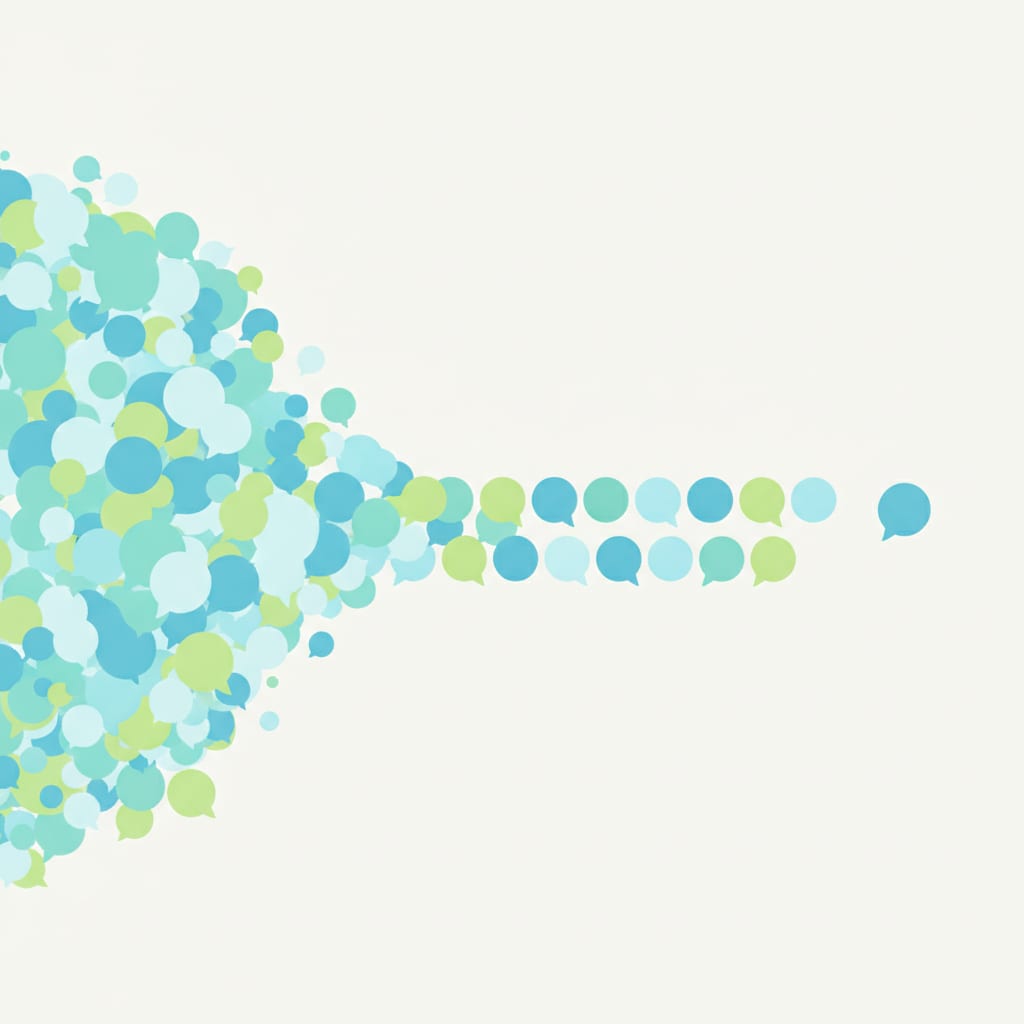
It paces every DM through a queue. This is the single most important safeguard. Instead of blasting all the DMs from a viral Reel at once, UnlockDM routes them through a metered outbox that releases messages at a safe rate. When a post goes viral, your results grow but your send rate stays inside Instagram's limits. That burst-after-viral pattern, the one that gets most ManyChat users flagged, simply does not happen.
It runs on the official Meta Graph API. UnlockDM connects through Instagram's approved login flow, reviewed via Meta App Review. You sign in securely and the tool never sees or stores your password, so there is no browser-bot footprint for Meta to detect.
It caps unlocks per campaign. Each campaign has an unlock limit, so a post that explodes overnight cannot quietly push your account into spam territory. You stay in control of total volume.
None of this is a guarantee. No honest tool can promise Instagram will never restrict your account, because Meta's AI moderation can misfire on anyone. But the design removes the behaviors that cause the vast majority of bans. If you want to see how this compares with other tools by approach and billing, our roundup of DM automation tools lays them out side by side.
What to do if you are already blocked
If you see the warning signs or hit an action block, the recovery playbook is short.
Stop all automation immediately. Do not send another message, automated or manual, while a block is active. Wait it out, usually 24 to 48 hours for a first offense, before resuming. When you do resume, drop to about half your previous volume and rebuild slowly. If your account was disabled rather than blocked, use Instagram's in-app appeal and identity verification to request a review. Many creators recover this way, especially when the flag was an AI false positive.
Then fix the root cause. If you were sending in bursts, switch to a tool that paces. If you were messaging cold contacts, move to a strictly comment-triggered flow.
What to do next
Audit how your current setup sends. Ask one question: when a post goes viral, does my tool fire all the DMs at once, or does it pace them out under the hourly limit? If you do not know the answer, that is the risk.
Then make sure every message is a response to a real action, keep a follow gate or cap in place, and never retry during a block. Do those things and DM automation stays what it should be, a growth tool rather than a liability.
FAQ
Why are Instagram accounts getting banned for using ManyChat in 2026?
Most bans come from volume and behavior, not the tool itself. Sending past the roughly 200 DMs per hour pacing limit, blasting a viral post all at once, or messaging people who never engaged trips Instagram's spam systems. In 2026 Meta's AI moderation also began flagging some compliant automation as bot activity.
Does using the official Instagram API prevent a ban?
It helps a lot but does not make you immune. The official Graph API avoids the biggest risk, password sharing and browser bots, but you can still get blocked by sending too fast, messaging cold contacts, or breaking the 24 hour window. Pacing and user-initiated triggers matter as much as the API itself.
How many automated DMs can you send per hour on Instagram?
In 2026 most official-API tools pace sends to about 200 DMs per hour per account, and you can generally message a given user once per 24 hours after they engage. Going faster, especially in a single burst after a viral post, is the most common trigger for an action block.
Can UnlockDM get my Instagram account banned?
No tool can promise zero risk, but UnlockDM is built to minimize it. It runs on the official Meta API, only messages people who comment first, paces every DM through a queue to stay under Instagram's limits, and lets you cap unlocks per campaign. That avoids the burst-after-viral pattern that gets most accounts flagged.
What should I do if my Instagram account is action-blocked?
Stop sending immediately. Retrying during a block makes it worse and can extend the restriction. Wait it out, typically 24 to 48 hours for a first offense, then resume at about half your previous volume. If your account was disabled, use Instagram's in-app appeal to request a review.
UnlockDM runs comment-to-DM campaigns on the official Meta API and paces every message through a queue, so a viral post grows your results instead of your ban risk. Campaigns are one-time priced from $3.99.